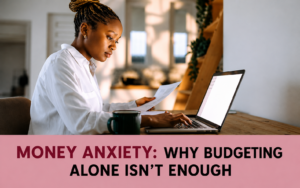
Emotional spending doesn’t always look spectacular. Sometimes it is little purchases made after a stressful day. Occasionally, it’s a late-night “I deserve this.” Sometimes it’s the urge to buy something, something that is quiet and makes you not think about what’s really bothering you?
How to Stop Emotional Spending Permanently
Emotional spending provides a temporary relief, but the long-term effect is draining in terms of financial, mental, and emotional well-being. If you want to stop the cycle once and for all, you have to understand the reason it occurs and substitute the habits that actually soothe you.
Start with Identifying Your Emotional Triggers
Every emotional purchase has a beginning point. It could be loneliness, disappointment, comparison, anger, boredom, or even celebration. Most people aren’t overspending because they don’t know better – they are overspending because there is something inside them that is uncomfortable. Before you actually open your wallet, stop and ask yourself: What am I feeling right now? Where a cycle of responses is occurring, when you name the emotion, you disrupt the automatic pattern.
Creating a Pause Between the Feeling and the Purchase
You can’t control spending on emotions if all the urges are going straight to payment. Create a built-in barrier. A five-minute pause. A short walk. A note to yourself on your phone that you need to check in with yourself. The point isn’t restriction – it’s space. Emotional spending thrives on impulse. Space takes away its power.
Change Your Calming Strategies
If buying things has been your default comforting activity, you need to find some alternatives to them that will really help you feel better. Try grounding habits that soothe your mind, instead of eating up your bank account:
- A warm shower
- A journal check-in
- Music that shifts your mood
- Breathing exercises
- Texting to someone who understands you
You’re not taking the comfort away; you’re choosing not to be comforted in a way that results in greater stress later on.
Build a Spending Plan That Allows Joy, Not Shame
Stopping emotional spending doesn’t mean getting rid of pleasure. In fact, too aggressive restriction tends to result in rebound spending. Set aside a little bit of purposeful money each month for wants. When joy is planned, it goes from being impulsive to empowering. You get to enjoy life without the emotional aftermath.
Clean Up Your Environment to Reduce Temptation
Sometimes emotional spending occurs simply because it is too easy to access. Unsubscribe from brands that set you off. Delete saved cards on your phone. Remove shopping apps from your home screen. When there is an effort to reach for a purchase, you naturally think twice about the impulse. Small barriers cause enormous changes in behavior.
Or Exchange the “High” For a Real Reward
Emotional purchases bring a quick rush of excitement that fades away almost immediately. Change that rush for rewards that feed you more deeply – rest, connection, meaningful experiences, or progress towards a financial goal. When you have a joyful life, you’re less likely to go for the artificial kind.
Study the Patterns That You Keep Repeating
Stopping emotional spending once and for all requires awareness of what keeps involving you in this behavior. Look at the last few purchases you have regretted and ask: What was I trying to feel? What was I trying to avoid? This isn’t judging yourself – it’s getting to know yourself. When you see the pattern, you’re able to break it.
Honor Your Progress, Not Your Perfectness
You’re not going to break the habit overnight. There may be slip-ups. What is most important is that you come back to the intention with compassion. Every time you wait instead of buying, decide for comfort rather than impulse, or make a decision you’re proud of, you’re building your new financial identity.
You can end emotional spending once and for all – but not by limiting yourself, but by supporting yourself. When you control the feelings underlying the impulse, the impulse loses its control. And that’s when money starts to feel like something that guides you and not something that guides you.