Traveling the world doesn’t have to be just for the rich. With a smart approach and a few clever habits, you can explore new places without emptying your bank account. The trick isn’t to pinch every penny until it screams, but to make your money work harder for you. This means more freedom, more sights, and memories that last a lifetime, all while feeling good about your finances. Smart travel is really about changing your mindset from “I can’t afford it” to “How can I make this happen?”
Planning Ahead Saves Money
Being spontaneous is fun, but when it comes to your wallet, planning ahead is your best friend. The biggest way to cut travel costs is by booking your main expenses, like flights and hotels, way in advance. Airlines and hotels change their prices constantly, and they usually go up as the travel date gets closer and fewer spots are left. Booking two to three months ahead for trips within your country, and even earlier for international ones, helps you lock in much lower rates. This forward-thinking approach also applies to getting around once you’re there, as understanding public transportation savings can further cut down your overall trip expenses.
Beyond just booking early, think strategically about when you travel. Flying on a Tuesday or Wednesday is often cheaper than on a Friday or Sunday. Traveling during the “shoulder seasons” – those months just before or after the busiest tourist times – gives you a sweet spot of nice weather, smaller crowds, and lower prices. Imagine Italy in May instead of July, or visiting a national park in September instead of August.
To make this easier, set up price alerts on flight comparison websites. You’ll get an email when the price for your chosen route drops, letting you book at the perfect moment. Creating a dedicated travel savings account is another powerful tool. If you automatically transfer a small amount each payday, saving feels effortless and you can actually see your progress. This kind of smart vacation budgeting turns a distant dream into a real goal.
Finding Affordable Accommodation
Your accommodation will probably be one of your biggest travel costs, but there are many ways to keep it affordable without giving up comfort or safety, especially if you need to store your bags at Seoul Station, for example. Hotels are a classic choice, but looking beyond them can uncover amazing value. Modern hostels, for example, are a far cry from the crowded dorms you might imagine. Many now offer private rooms with their own bathrooms for a fraction of what a traditional hotel costs. Plus, they often have communal kitchens and social events, which can help you save money on food and meet other travelers.
Vacation rentals can also be budget-friendly, especially for groups or families. Having access to a kitchen means you can make your own breakfast and pack lunches, seriously cutting down your food budget. When you book, though, pay close attention to cleaning fees and service charges, as these can sometimes really inflate the final price.
Location is another key factor. Staying right in the middle of a city’s tourist area comes with a hefty price tag. Instead, consider places in a safe, well-connected neighborhood just a short bus or metro ride away. You’ll often find better prices, discover more authentic local restaurants, and get a better feel for the city’s everyday life. A little research into a city’s public transport system can help you find these hidden gem neighborhoods. Planning a vacation on a budget often means finding the right balance between how easy it is to get around and how much it costs.
Lighten Your Load, Enjoy More
One of the most overlooked aspects of budget travel is how much it costs to carry too much stuff. Checked bag fees can add a surprising amount to your flight costs, but the real price of overpacking is paid in freedom and flexibility. Dragging a heavy suitcase over cobblestone streets, up metro stairs, or through crowded markets is stressful and tiring. It ties you down to your belongings and limits how spontaneous you can be.
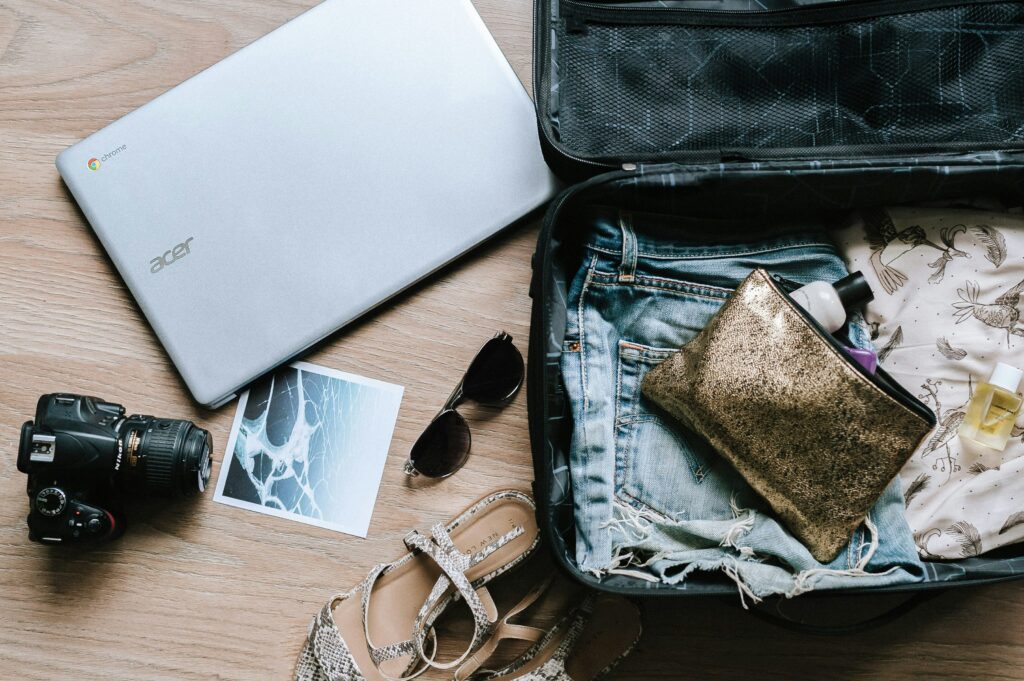
Packing light is a skill that really pays off. Focus on versatile clothes that you can layer and mix and match. Choose a carry-on-sized backpack or suitcase and commit to only filling that. This not only saves you money on airline fees but also makes you much more mobile. You can easily navigate public transport and won’t feel weighed down as you explore.
This freedom is especially valuable on your arrival and departure days. Often, you’ll get to your destination hours before your hotel check-in, or have a late flight long after you’ve checked out. Instead of wasting precious hours sitting in a cafe with your luggage or paying for an extra night, you can use a luggage storage service. These services have become popular in major cities worldwide, offering secure spots in local shops or hotels to hold your bags for a few hours or the whole day. This small expense buys you a full day of unburdened exploration, making the most of every moment of your trip.
Navigating Public Transport Wisely
Taxis and rideshare services are convenient, but they can quickly eat up a travel budget. One of the smartest things a traveler can do is embrace a city’s public transportation system. Buses, trams, and subways aren’t just for locals; they’re your ticket to affordable and authentic exploration. Before you even arrive, quickly look up the city’s public transport options. Search for multi-day tourist passes or rechargeable cards that offer unlimited rides for a set period. Often, a three-day pass costs less than a single taxi ride from the airport to the city center.
Don’t underestimate the power of walking. It’s the best way to truly discover a city’s character. You’ll stumble upon charming side streets, unique shops, and local parks you would have completely missed from a car window. It’s free, it’s great exercise, and it helps you get your bearings in a new place.
To make navigating simple and stress-free, download offline maps of the area using an app like Google Maps before you leave your hotel’s Wi-Fi. This lets you find your way and look up transit routes without using expensive international data. Combining walking for short distances with public transport for longer journeys is the ultimate budget-friendly strategy for getting around.
Budgeting for Experiences
A frugal travel plan isn’t about saying “no” to everything; it’s about being smart so you can say “yes” to the things that truly matter. Travel is about the experiences, and your budget should reflect what’s most important to you. Before your trip, decide on one or two “splurge” activities that you’re most excited about. This could be a world-class show, a gourmet cooking class, or a guided tour of a historic site. Setting aside money for these specific experiences beforehand helps you enjoy them without guilt.
Balance these big-ticket items with all the free and low-cost activities every city offers. Many world-class museums have free admission days or hours. Public parks are perfect for a relaxing afternoon and some people-watching. Joining a “free” walking tour (where you tip the guide what you feel the tour was worth) is an excellent way to get an overview of the city from a local’s perspective.
Food is another area where you can have incredible experiences without overspending. Skip the overpriced restaurants in major tourist squares and wander a few blocks away to find where the locals eat. Street food stalls and local markets offer some of the most delicious and authentic food at a fraction of the cost. A budget-friendly vacation guide will always tell you that eating smart is a huge part of saving money. By mixing a few planned splurges with plenty of low-cost discoveries, you create a rich and balanced travel experience.
Traveling on a budget doesn’t mean your trip will be any less meaningful. In fact, the creativity and resourcefulness it requires often lead to more authentic and memorable adventures. Your next great escape is within reach, and it all starts with these smart, empowering choices.