You can be making financial decisions on the back of an emotion and not even realize it. You don’t buy a thing because you have to; you do it to get over some stress, put a damper on boredom, or in the wake of a good day. A one-off is no big deal, but if you let it become a pattern, you’re looking at debt, dented savings, and a lot of second-guessing later on.
The Journal of Consumer Research has put out some numbers to back this up: when it comes to what we put in our carts, feelings are a major factor, with many of us opting for a quick fix over what’s best for our wallets in the long run. The way to stop that is to know what sets you off.
If you’re unsure which beliefs or habits are influencing your financial choices, the Unlock Your Money Story Quiz can help you uncover the patterns behind your relationship with money.
Emotional Spending Triggers: How to Recognize and Break the Cycle
It doesn’t always show up as a clear case of “I need this.” More often than not, it starts with a mood. Before you know it, you’ve made shopping your go-to for dealing with how you feel, rather than the issue at hand.
Here are a few of the usual suspects:
- A hard day at the office.
- Some loneliness.
- Marking an occasion with something pricey.
- Zoning out in front of a screen.
- Not wanting to miss a hot deal.
- Worry about work or your love life.
- Scrolling through social media and measuring up.
When your wallet is open for the sake of an emotion, your budget ends up in the red.
Why Emotional Spending Happens
We like to think we’re in control, but our emotions have a way of steering the ship. There’s a hit of dopamine from a purchase, a little chemical nudge of reward. It’s fleeting, of course, so when the hard times come around, you find yourself right back at it. And the internet has only made it more of a chore to say no. One click, a tailored ad, a pop-up sale it’s all there to make you part with your money.
Recognizing these emotional patterns is often the first step toward lasting change. Learning to heal your relationship with money can help you replace automatic spending habits with healthier financial behaviors.
How Emotional Spending Affects Your Finances
At the moment, it doesn’t seem like much. But add it up, and it’s another story. If you’re in the habit of splurging $20 here and there, you could be out thousands by year’s end. That makes putting away for a rainy day or chipping away at a loan a lot harder. On top of the math, there’s the letdown. The guilt and annoyance that follow can be enough to put you in a spending loop.
How to Break the Cycle
Habits are what they are, but they can be unmade.
For one, figure out what gets to you. Put a pin in any non-essential and ask: am I getting this for a reason, or to alter my mood? Make a rule to wait 24 hours before you pull the trigger on something you don’t really need.
There are other, better ways to handle your headspace. Go for a run, put in some time with a friend, or write it down.
And don’t be too hard on yourself. Build in some leeway in your plan for the odd treat; if you put up too many walls, you’ll be more likely to break them. Check in with your spending now and then to see where you stand.
Your future doesn’t have to be at the mercy of your moods. When you get a handle on why you’re buying and start being a bit more deliberate, you’ll find less stress and more of a path to where you want to be.
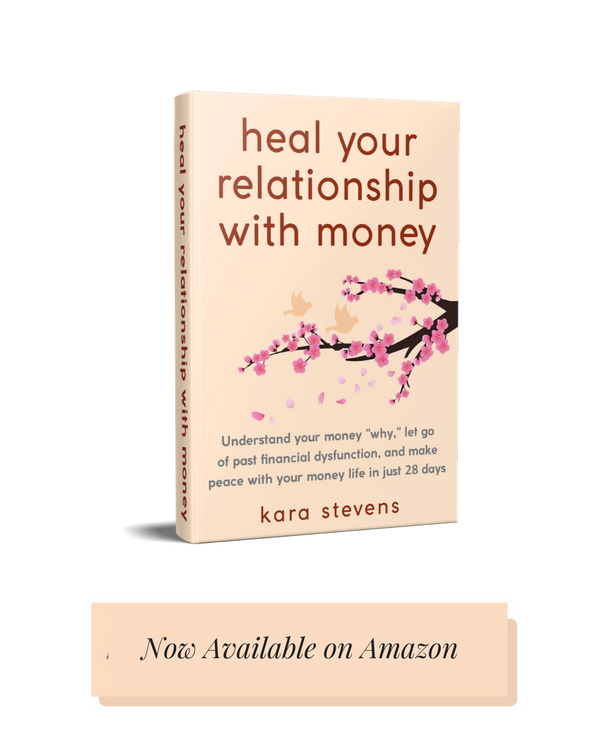
If you prefer a more guided approach, the Heal Your Relationship with Money Self-Coaching Companion includes reflective exercises that can help you identify emotional spending triggers and build healthier money habits.