Learning how to be thankful for what you have can completely change your outlook on life. Gratitude is not only a way of making you happier, but it is also a way of helping you identify the good in your life now. Instead of looking forward to big accomplishments and victories, feelings of gratitude help you notice and appreciate the little joys that make every single day meaningful. Below are 10 easy and practical ways to be thankful for what you have.
Ways Of How to Be Thankful for What You Have
Remain Positive. Start your Day with Gratitude
Instead, consider 3 things you are grateful for the moment you wake up, before checking your phone or going about your normal routine. It could be your health, your house, or a quiet and peaceful morning. Starting the day with gratitude makes a positive impact and reinforces that what you have now is something you should be grateful for.
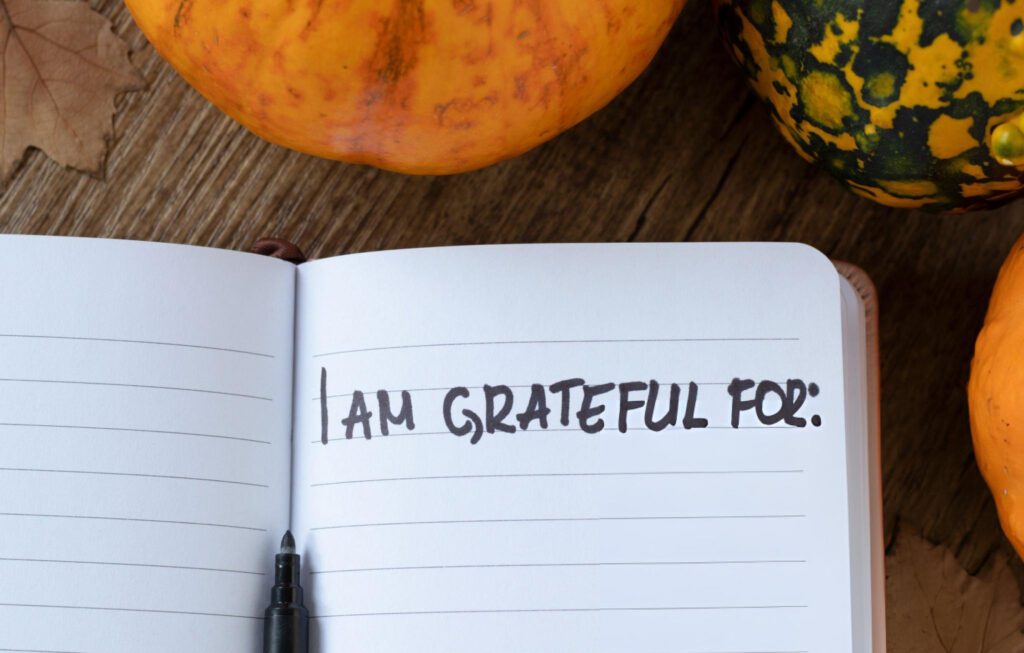
Keep a Gratitude Journal
Having a journal allows you to see all the good things that you have. Every single night, say at least three things that went well that day. This mindless practice teaches your brain to think in terms of abundance rather than deficiency, which will help your sense of gratitude in difficult times be stronger.
Say “Thank You” More Often
A true “thank you” will light up someone’s day – and yours as well. Whether it is towards a colleague, a friend, or a stranger, saying gratitude puts you in a position to notice what is good in others. It’s one of the simplest ways to give thanks for what you have in the daily lives that you live.
Discuss Solutions to Problems You Have Solved
Gratitude isn’t a good-time thing. The takeaway preparation is to focus on situations that have made you stronger, as well as lessons learned from the situations. Remembering your growth also teaches you how to appreciate what you have and understand that everything, even the difficult times, of your growth are blessings.
Limit Comparison
Comparison is the thief of joy; it is easy to fall prey to what other people have. So, rather than concentrating on your own personal journey and the ups and downs in your life. How not to compare yourself to other people, but instead to be happy for what you have.
Spend Time in Nature
So, go outside and breathe fresh air and observe the beauty present outside. Nature is God’s gift, reminding us that in life, what is best is often the easiest and the freest. It is a grounded strategy for reconnecting and being thankful for what you have.
Practice Mindful Moments
Take time out of your day to notice the present – maybe your coffee, your child’s giggles, or the comfort of your home. Mindfulness slows you down so that you can clearly see what gifts of life are all around you. These mini-breaks serve the purpose of slowing down to be grateful for what you have, rather than hurrying out of it.
Give Back to Others
Helping people who are in need ensures that you understand the amount that you possess in your life. Being humble and appreciative can come from practicing random acts of kindness. It is a great reminder of how you can be grateful for your own blessings by sharing your own blessings.
Celebrate the Little Things
Don’t put off being grateful until big events occur. Celebration of Each Day’s Moments – a tasty meal, a loving message written, a fruitful day – celebrate the everyday moments. The more that you celebrate, the easier it is to know how to be thankful for what you have every day in your life.
End Each Day with Gratitude
Before you go to bed at night, take one minute to think about things that went well today. There is always something to be grateful for, even on bad days (a warm bed, a safe place, another day to try again tomorrow, etc.) A feeling of gratitude reinforces a state of gratitude for everything one possesses and brings tranquility before retiring.
In the end, learning how to be thankful for what you have turns ordinary moments into blessings. Gratitude shifts your focus from what’s missing to what’s already good, filling your life with peace and contentment. The more you practice it, the happier and more fulfilled you become.